
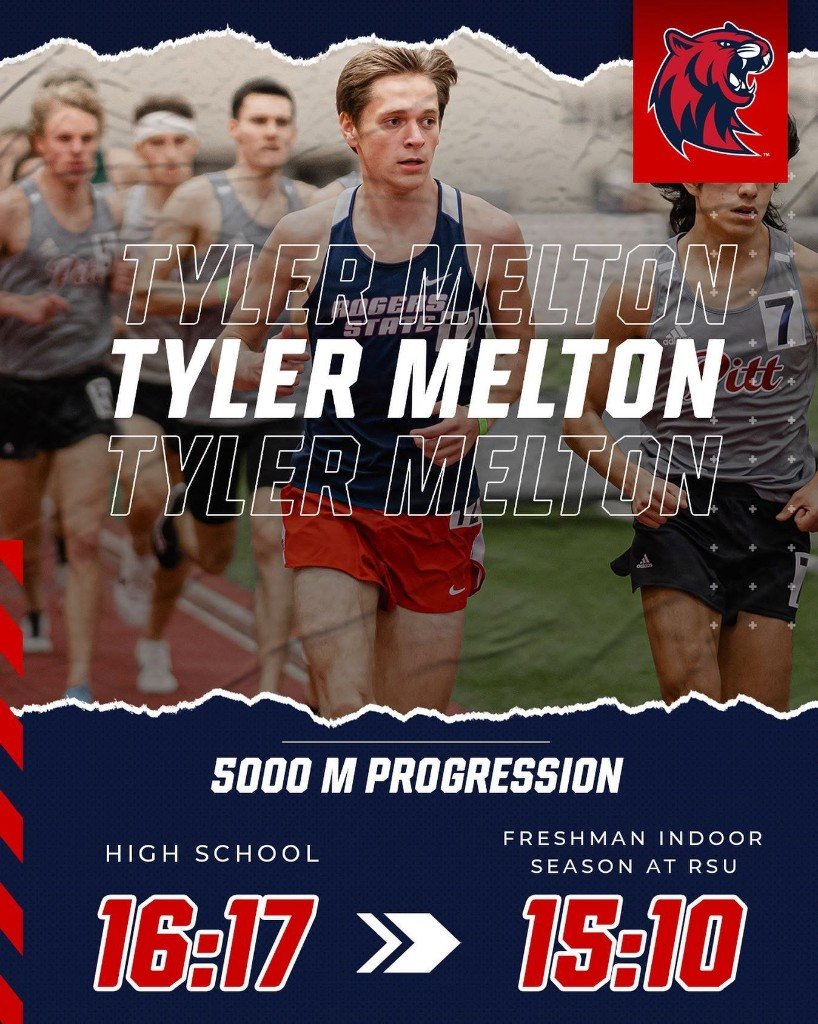
Tyler Melton
Former collegiate cross country runner out of North Little Rock. Software engineer during the week. I coach high school athletes working toward a scholarship, college runners who need to peak early and last through the season, and anyone getting in shape, losing weight, or chasing a goal time.
I ran cross country in college — fifty to eighty miles a week depending on the block, doubles when the schedule called for them, aerobic base first and race sharpening saved for last. My 5K best is 15:10.
I didn't start out fast. My first 5K was 28:50. Everything after that came from years of showing up, and I've since taken time off and come back to it. I know what the front of a race feels like, and I know what week one feels like when nothing is automatic yet.
That second part is what a lot of coaching misses. Writing a hard week is easy. The harder job is writing the week that fits a person with a full-time job, an old injury, and eleven weeks until their race.
The rest of my week is software — databases, systems work, the kind of debugging where guessing gets you nowhere. I bring the same habit to training. If a block isn't working, we figure out why from what your log actually says instead of adding mileage and hoping.
Ozark HogRun is the coaching side of that: individual plans, written by me, for runners here in Arkansas and anywhere with a decent internet connection. For high school athletes, that can mean building the fitness and race results that get you in front of college programs. For college athletes, it means arriving in race-day shape without burning out before the meets that count. Weight loss, getting back in shape, and building toward a goal race all use the same process — steady mileage, honest pacing, and a plan that fits your week.
These are workouts I've actually run, not a resume line. If a pace on your plan looks arbitrary, ask where it came from and I'll show you.

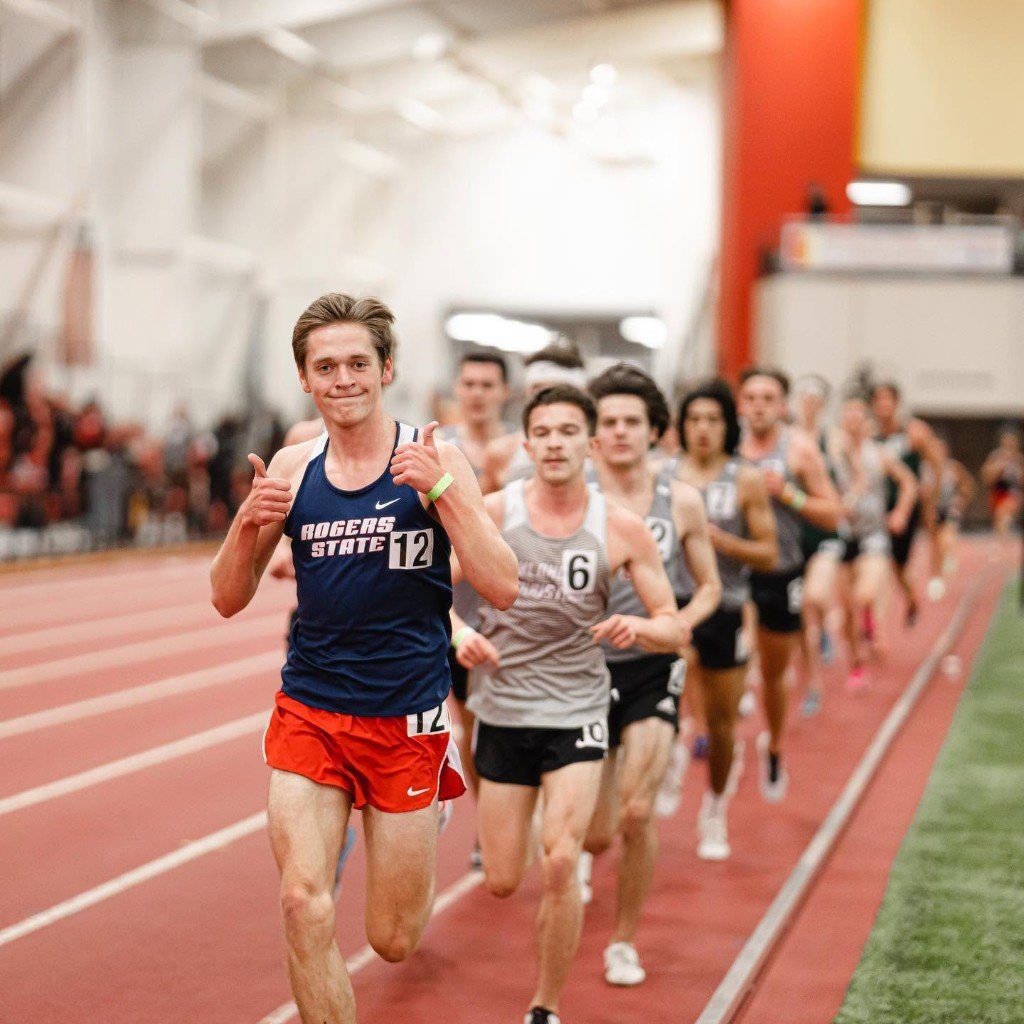
- From
- North Little Rock, AR
- Ran
- Collegiate cross country
- Day job
- Software engineering
- Coaches
- HS scholarship prep · college season · fitness goals
- Athletes
- Remote anywhere
- Also competed
- Collegiate esports
On the track, and with the people I've coached.
As a runner
- Part of two state-championship cross country teams at Maumelle High School.
- High school 5K personal best: 16:17.
- Arkansas conference champion, 2020 — cross country, 1600m, and 3200m.
- Collegiate 5K personal best: 15:10 (freshman year).
- Earned a full athletic scholarship to college.
As a coach
- Helped coach a high school team to 3rd and 5th at the state meet.
- Guided one athlete from a 20:00 5K to 16:57 in one year (sophomore season) — the kind of jump that gets college programs paying attention.
- Earned a full ride myself; I know what it takes from the athlete side.
- Helped one client lose over 100 pounds in less than a year on a running plan.
Four things I believe, and will keep telling you.
None of it is complicated. Most of it is unpopular with runners who want to train hard every day.
Consistency beats intensity, every time
Eight steady weeks will do more for your race than two brilliant ones and a month off hurt. Most of what I write is built to be repeatable rather than impressive.
Easy days are the actual work
Your aerobic base is what everything else stands on. If your easy pace runs too fast, your hard days can't be hard, and the whole week flattens into the same gray effort.
Progression is a rate, not a target
We add mileage and intensity at a pace your body signs off on. Starting conservative and finishing healthy beats starting hot and finishing hurt.
You should know why you're running today
Every session on your plan states its purpose. Runners who understand the intent execute better, and they quit a lot less often.
What I am
- A runner who trained at a competitive collegiate level and knows the work firsthand.
- The person who writes your plan and reads every week you send back. There's nobody else.
- Blunt about timelines. If a goal isn't realistic in the weeks you have, you'll hear it early.
Scope
- Injuries I won't advise on. Diagnosis and treatment are a doctor's or PT's call, and I build the training around what they tell you.
- Nutrition I will help with: fueling long runs, eating enough for the mileage, what to do the morning of a race. Clinical diet questions go to a dietitian.
- Not a coaching group with a staff and a support queue. It's me, which is the whole point.
- Not interested in selling you something you don't need. Sometimes the answer is run easy for a month.